What to know about access issues for Purley waste removal
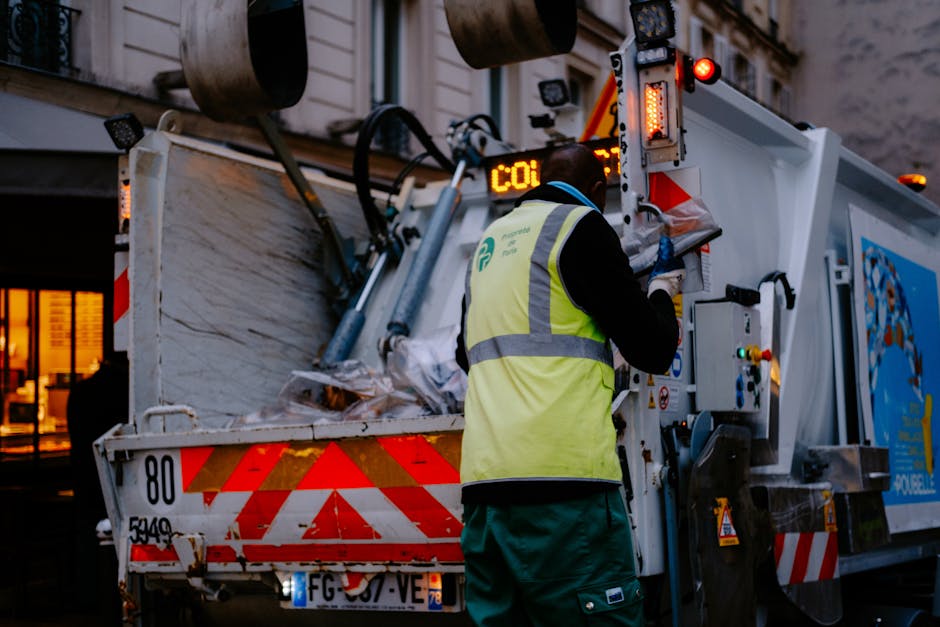
If you are arranging a clearance in Purley, the job rarely comes down to the rubbish alone. Access is often the real deciding factor. A narrow path, a shared driveway, a basement flat, an awkward staircase, or a parked car in exactly the wrong place can all change how a waste removal team plans the work. What to know about access issues for Purley waste removal is simple in principle: the easier the team can reach the items, the smoother, safer, and usually quicker the job will be. That matters whether you are clearing a loft, a garden, a garage, or a full property.
In practice, access problems are common, and they are not a reason to panic. They just need a bit of thought before collection day. This guide explains the main access challenges, how they affect the process, what good preparation looks like, and how to avoid the little mistakes that turn a straightforward clearance into a frustrating morning. Let's make it easy.
Why access matters in Purley waste removal
Access affects almost everything about a clearance: time, labour, safety, vehicle positioning, and even what type of removal method is possible. In a place like Purley, where you can have a mix of terraced homes, flats, older properties, rear lanes, and modern developments, the access picture can change from one street to the next. That is why two jobs that look similar on paper may need very different planning.
The most common issue is simply distance. If items can be carried straight out to a vehicle, the job is usually quicker and less disruptive. If the team has to navigate a long internal route, several flights of stairs, or a narrow side entrance, the clearance may take longer and require more people. Sometimes that is obvious. Sometimes it isn't until someone opens the loft hatch and realises the staircase is tighter than expected. Truth be told, that moment happens more often than people think.
Access also matters because waste removal teams have to work safely. Poorly planned lifting routes can create trip hazards, block doorways, damage walls or bannisters, and increase the chance of injury. If large furniture or builder's debris needs to be moved, the route has to be suitable from start to finish, not just at the front door. This is especially relevant for house clearance, flat clearance, and loft clearance, where the route inside the property can be as important as the items themselves.
There is also a cost angle. While no one likes hidden complications, access issues can add labour time and sometimes affect the number of staff needed. Being upfront about constraints means the team can quote more accurately and arrive prepared. That is usually better for everyone than discovering a blocked passage after the van has already arrived.
How access planning works
Good access planning starts before anyone lifts a bag. Usually, a removal company will want to understand three things: where the items are, how they will be carried out, and where the vehicle can safely stop. Those are the basics. Simple enough, but the details matter.
For example, a garden clearance may seem straightforward until you realise the rear access is through a shared alley with a low gate and uneven paving. Or a garage clearance may look easy until the driveway is full of bins, bikes, and half a stack of paving slabs. Small things, yes, but they can change the whole rhythm of the job.
A sensible access check normally looks at:
- the width of doorways, staircases, hallways, and gates
- the number of floors or flights of stairs involved
- parking availability close to the property
- any low ceilings, tight turns, or awkward corners
- whether lifts are available and suitable for use
- the condition of surfaces, steps, and paths
- any permissions needed for shared access or loading areas
Teams dealing with office or business sites often need an extra layer of planning. Access may depend on building management, loading bays, timed entry slots, or lift booking systems. That is why office clearance and business waste removal tend to benefit from a more structured pre-visit conversation than a small domestic job.
In some cases, the team may suggest a split approach: remove smaller items first, then come back for the heavier or bulkier pieces once a route has been cleared. That is not a problem; it is just practical thinking. A bit of flexibility can save a lot of awkward shuffling around.
Key benefits of getting access right
When access is sorted before the team arrives, the whole job tends to feel calmer. No scrambling. No guessing. No one trying to reverse a van into a space that is obviously too tight. That alone is worth a lot.
Here are the main benefits:
- Faster clearance: fewer delays mean the team can work more efficiently.
- Better safety: the risk of slips, strains, and collisions drops when routes are clear.
- More accurate pricing: the quote is based on real conditions, not best-case assumptions.
- Less disruption: neighbours, tenants, staff, and family members are disturbed for less time.
- Lower chance of damage: protected routes reduce scuffs, knocks, and broken fixtures.
- Smoother scheduling: the job is easier to slot into a realistic time window.
There is another benefit people sometimes miss: better recycling outcomes. When access is organised, sorting tends to be more orderly. That can help separate reusable items, recyclable materials, and general waste more effectively. If sustainability matters to you, it is worth looking at a provider's recycling and sustainability approach as part of your decision.
Key takeaway: access is not just a logistical detail. It affects safety, timing, pricing, and the overall quality of the clearance. A five-minute conversation beforehand can prevent a half-hour headache later.
Who this is for and when it makes sense
Access planning matters for almost anyone arranging waste removal, but it becomes especially important in a few situations.
You will want to think carefully about access if you are:
- in a flat with stairs, lifts, or shared corridors
- clearing a loft, cellar, or basement
- living on a road with limited parking
- managing a house clearance after a move or bereavement
- disposing of bulky furniture, appliances, or mixed household waste
- planning a builders waste clearance after renovation work
- responsible for a workplace or commercial unit with loading restrictions
- trying to clear a garage, garden, or rear outbuilding with awkward side access
For smaller, low-risk loads, access may be simple enough that you only need to check the basics. But for heavier or more complex clearances, it makes sense to be precise. If you are unsure, ask yourself: could two people carry this item safely, turning corners without bumping walls or catching fingers? If the answer is maybe not, then access needs a closer look.
Domestic customers often need help with home clearance and furniture clearance, while landlords and agents may be more concerned with turnaround time and protecting communal areas. Business customers, meanwhile, are usually trying to keep disruption down during working hours. Same principle, different pressures.
And yes, sometimes the problem is just the sofa. A very determined sofa, wedged in a hallway like it was built there.
Step-by-step guidance
If you want a smooth clearance, follow a clear process. It does not need to be complicated.
- Walk the route yourself. Start at the item and follow the exact path to the exit. Notice narrow points, steps, corners, and low ceilings.
- Measure the obvious pinch points. Door frames, stair widths, gate openings, lift doors, and corridor bends matter more than people expect.
- Check parking and stopping space. Can a vehicle get close enough without blocking traffic, neighbours, or site access?
- Identify anything fragile. Picture frames, mirrors, banisters, walls, glass panels, and freshly painted surfaces deserve protection.
- Clear the route. Move bins, shoes, planters, toys, loose cables, and anything that could trip someone.
- Tell the provider about restrictions. Shared entrances, timed entry, key codes, and quiet-hour rules should all be shared in advance.
- Confirm what the team can lift and where. Large wardrobes, white goods, and heavy rubble may need different handling.
- Prepare the space on the day. Open gates, unlock side passages, keep pets secure, and make sure someone is available if access is needed.
For more specialised jobs, it helps to think in terms of the whole site, not just the room. For example, a garage clearance may require a clear drive, while a garden clearance may need safe passage through the house or side return. A builder's job might involve rubble bags, dusty floors, and awkward pathways all at once, which is why builders waste clearance often needs a bit more coordination.
If access is uncertain, be honest about it. "I think the side gate is 70 cm wide, but I'm not sure" is much more useful than pretending it will all work out. In our experience, clear information saves far more time than guesswork ever does.
Expert tips for better results
Here are the practical habits that make a real difference.
1. Think in terms of the heaviest item, not the average item
The easiest item in the pile can make you overconfident. The heavy chest of drawers, the glass cabinet, or the old mattress stack is what tells you whether the route is genuinely workable.
2. Measure with a little breathing room
A doorway that is technically wide enough may still be awkward if the item must be angled, lifted, or turned halfway through. A few extra centimetres can matter more than you'd think.
3. Protect the route before anyone starts moving things
Cardboard, dust sheets, corner protection, and a quick sweep can make a big difference. It sounds basic, but it reduces stress and keeps everyone moving properly.
4. Tell the truth about parking
If the van may need to stop at the kerb rather than in a driveway, say so. That can change loading time and labour planning. No drama. Just say it.
5. Keep neighbours and building managers in the loop
For flats, managed buildings, or tight shared spaces, letting the right people know in advance can avoid awkward stand-offs on the day. A few minutes of communication can spare you a very long sigh later.
6. Ask about flexible arrival windows
If access depends on a key holder, concierge, or parking permit, a realistic window helps. Nobody benefits from a rushed arrival when the route is still blocked by a delivery van.
Common mistakes to avoid
A lot of access problems are preventable. Here are the ones that crop up again and again.
- Assuming "it'll fit" without measuring. Guessing is risky with wardrobes, sofas, appliances, and large panels.
- Forgetting about the route out. People often check the front door and ignore the hall, stairs, or turn into the porch.
- Leaving loose clutter in the way. A few bags, tools, or shoes can become a trip hazard very quickly.
- Ignoring parking restrictions. A van that cannot stop nearby can slow the whole job down.
- Not mentioning shared access. Communal hallways, locked gates, or building rules should be flagged early.
- Leaving it until the day of collection. Last-minute surprises are rarely happy ones.
One small but common issue: people clear the room but not the path. The space looks ready, then someone realises there is a bike rack, a bin, and a child's scooter right in the exit line. Tiny things, but they count.
If your clearance is in a property with a vulnerable floor surface, tight stairwell, or narrow entrance, it is worth asking whether the provider has suitable insurance and safety measures in place. That is not being fussy. It is sensible.
Tools, resources and recommendations
You do not need specialist equipment to prepare for most access issues, but a few basic tools and habits help a lot.
- Measuring tape: useful for doorways, gates, stair widths, and furniture dimensions.
- Phone camera: take photos of the access route so you can share the real situation clearly.
- Masking tape or notes: useful for marking awkward corners, low beams, or items that must stay put.
- Dust sheets or cardboard: good for protecting floors and inner door edges.
- Clipboard or checklist: handy for larger properties, offices, or multi-room clearances.
It also helps to read service pages that match your job type before you book. If the property is a flat, check flat clearance. If you need to clear furniture, review furniture disposal or furniture clearance. For a more general job, waste removal gives a broader picture of what can usually be handled.
For your own confidence, it is often worth reviewing the company's background and service standards too. A clear about us page can tell you a lot about how they work, and the pricing and quotes page should help you understand what information is needed for an accurate estimate.
Law, compliance, standards and best practice
Access issues are not only about convenience. They also sit within broader safety and compliance expectations. In the UK, waste removal must be handled responsibly, and a reputable provider should work in a way that respects site safety, property rules, and the legal duty of care around waste handling. That means planning movements carefully, avoiding unsafe lifting, and not blocking shared spaces or emergency routes.
Best practice usually includes:
- clear communication before arrival
- safe manual handling and team lifting where needed
- respect for communal areas and neighbours
- appropriate insurance cover for the job type
- careful segregation of items where reuse or recycling is possible
- keeping hazardous or restricted materials separate when they are not part of the booked service
If the property is a workplace, extra duties may apply under standard health and safety expectations. That can include site inductions, controlled access, and making sure removal work does not interfere with fire exits or staff movement. A good provider should be comfortable working within those boundaries, not trying to rush through them.
For business customers, it may also help to review the provider's health and safety policy and, where relevant, their business waste removal approach. If you are arranging a one-off project, builder-led clearance, or ongoing service, that kind of detail gives you a better feel for how seriously the work is managed.
Options and comparison table
Different access situations call for different approaches. The best choice depends on space, item size, and how much disruption you can tolerate.
| Scenario | Best approach | Why it works | Watch out for |
|---|---|---|---|
| Ground-floor home with driveway access | Standard clearance with vehicle nearby | Fast loading and less carrying distance | Blocked driveway or low branches |
| Flat with stairs but no lift | Pre-planned manual carrying route | Lets the team prepare for labour and protection needs | Narrow turns, landing space, shared areas |
| Loft or cellar clearance | Route check before moving bulky items | Helps identify safe lifting and headroom issues | Steep stairs, hatch size, poor lighting |
| Office or commercial unit | Timed access with building coordination | Reduces disruption to staff and visitors | Lift booking, loading bay rules, reception procedures |
| Garden with rear access | Clear path through side gate or house route | Makes it easier to remove soil, branches, and outdoor waste | Wet ground, uneven paving, tight gates |
This is the kind of planning that saves time on the day. Not glamorous, but effective. And honestly, that is what you want from waste removal: calm competence, not surprises.
Case study or real-world example
Here is a realistic example from a typical Purley clearance scenario.
A homeowner needed to clear an upstairs bedroom, a landing cupboard, and some furniture from a rear garden shed. At first glance, the job looked simple enough. The items were not unusual, and the van could park on the road nearby. But there were three access challenges:
- the staircase had a sharp turn halfway up
- the side gate was narrower than expected
- a parked car left only a short loading space at the front
Instead of trying to wing it, the homeowner measured the main items, sent a couple of photos, and mentioned the gate width before booking. That allowed the team to plan the right number of staff and choose the best loading order. The result was uneventful in the best possible way: no damaged walls, no strained lifting, and no last-minute reshuffle in the rain. A bit of drizzle, a bit of traffic noise, done by lunchtime.
The key lesson is not that the property was tricky. It is that the tricky parts were identified early. That is often all access planning really needs.
Practical checklist
Use this before collection day.
- Measure doorways, gates, stair widths, and any awkward turns
- Check the heaviest and bulkiest item first
- Confirm parking or loading space near the property
- Clear the route of shoes, bins, cables, toys, and loose clutter
- Tell the provider about stairs, lifts, shared access, or restricted entry
- Protect walls, floors, corners, and banisters where needed
- Make sure someone can grant access if keys, codes, or permits are involved
- Keep pets, children, and other distractions out of the route
- Review any relevant service information such as insurance and safety and terms and conditions
- Have a backup plan if a vehicle cannot stop exactly where expected
If you want one simple rule, it is this: walk the route as if you were carrying the biggest awkward item in the property. That mental check catches a surprising number of problems.
Conclusion
Access issues are one of those topics that only seem small until they interrupt a real job. Then they become very big, very quickly. The good news is that most Purley waste removal access problems can be handled with decent planning, honest communication, and a little preparation before the collection team arrives.
If you remember nothing else, remember this: check the route, be clear about parking, and say upfront if something looks tight. That makes the job safer, smoother, and far less stressful. And for most people, that is exactly the point - getting the space back without creating more hassle along the way.
If you are comparing services or want more clarity on what your job might involve, take a look at the relevant service pages and the company information available on the site. A little preparation now can make the whole day feel easier later.
Get a free quote today and see how much you can save.
Frequently Asked Questions
What are access issues in waste removal?
Access issues are anything that makes it harder to move items safely from where they are stored to the vehicle. That can include stairs, narrow hallways, tight gates, limited parking, long carry distances, or restricted entry in flats and commercial buildings.
Do access issues make waste removal more expensive?
They can, depending on how much extra labour, time, or planning is needed. A short carry from a driveway is very different from carrying heavy items down several flights of stairs. The best way to avoid surprises is to describe the access clearly before booking.
How do I know if my doorway or staircase is too narrow?
Measure the narrowest point and compare it with the size of the item, including any awkward angles needed to turn it. If you are unsure, take a photo and mention the dimensions to the provider. It is better to be cautious than to find out on the day.
What should I tell a waste removal team before they arrive?
Tell them about stairs, lifts, parking, shared entrances, side gates, long paths, low ceilings, key codes, and anything bulky or fragile. The more accurate the description, the easier it is for them to plan the job properly.
Can waste be removed from a flat with no lift?
Usually yes, as long as the access route is workable and the items can be carried safely. The team may need to plan for extra labour or more time. Flat clearances are common, but stair access is one of the main things to flag early.
What if the van cannot park right outside the property?
That is not unusual. The team may still be able to complete the job if there is safe nearby parking or loading space. What matters is knowing the distance in advance so the right amount of time and manpower can be planned.
How can I prepare my property for better access?
Clear the route, open gates, move loose items, protect fragile surfaces, and make sure there is someone available to provide access if needed. A tidy route makes a big difference, especially in older homes and shared buildings.
Are access issues different for garden clearance?
Often, yes. Garden clearances can involve muddy paths, narrow side access, uneven paving, sheds, and rear entries through the house. Wet weather can make things slower too, especially if the ground is soft or slippery.
What happens if access turns out to be worse than expected?
The team may need to adjust the method, split the job, use more labour, or in some cases reschedule if it becomes unsafe. That is why honest information beforehand is so valuable. It avoids awkward decisions after arrival.
Should I choose a company based on how they handle access questions?
Yes, absolutely. A good provider will ask sensible questions about the route, parking, and item size rather than rushing straight to a price. That usually tells you they care about safe, realistic planning, not just getting through the door.
Can access problems affect recycling or disposal options?
Indirectly, yes. If items are difficult to reach, sorting can become less efficient. Good access helps the team remove items in a more organised way, which can support reuse and recycling where appropriate.
Where can I check more about service standards and safety?
Useful starting points include the company's health and safety policy, insurance and safety information, and recycling and sustainability page. Those pages can help you understand how the work is approached and what standards are being followed.