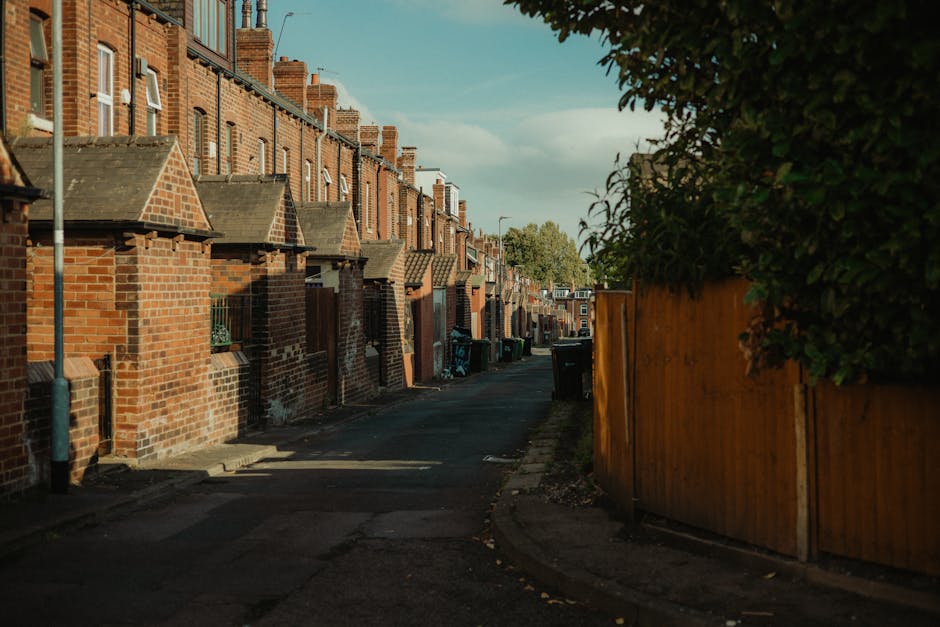
Purley rubbish removal for CR8 streets and side roads
If you live or work in Purley, you already know the small stuff can become the big stuff very quickly. A broken wardrobe in a narrow side road, builder's rubble left after a weekend project, or a pile of garden waste that seems to grow every time it rains - it all gets in the way. Purley rubbish removal for CR8 streets and side roads is really about making that mess disappear without creating more hassle for you, your neighbours, or the road outside.
This guide walks through how local rubbish removal works, why it matters on tighter residential streets, what to expect, and how to avoid the common headaches. If you want a broader overview of services, you can also explore waste removal options in Purley and the company's approach on recycling and sustainability.
Truth be told, most people do not need a lecture on rubbish. They need the driveway back, the pavement clear, and the job done properly. Fair enough.
Table of Contents
- Why Purley rubbish removal for CR8 streets and side roads Matters
- How Purley rubbish removal for CR8 streets and side roads Works
- Key Benefits and Practical Advantages
- Who This Is For and When It Makes Sense
- Step-by-Step Guidance
- Expert Tips for Better Results
- Common Mistakes to Avoid
- Tools, Resources and Recommendations
- Law, Compliance, Standards, or Best Practice
- Options, Methods, or Comparison Table
- Case Study or Real-World Example
- Practical Checklist
- Conclusion
- Frequently Asked Questions
Why Purley rubbish removal for CR8 streets and side roads Matters
Purley has a mix of main roads, quieter terraces, cul-de-sacs, and side streets where parking can be limited and turning space can be awkward. That changes everything. A clearance job that would be simple on a wide industrial road can become tricky on a narrow residential street with cars parked nose-to-tail, low branches, tight corners, and neighbours trying to get in and out.
That is why local rubbish removal is not just about lifting bags into a vehicle. It is about planning the approach, protecting access, and removing waste with as little disruption as possible. On a wet weekday morning, for example, a few extra minutes spent positioning a vehicle can mean no blocked driveways, no skipped deliveries, and no grumbling from the house next door.
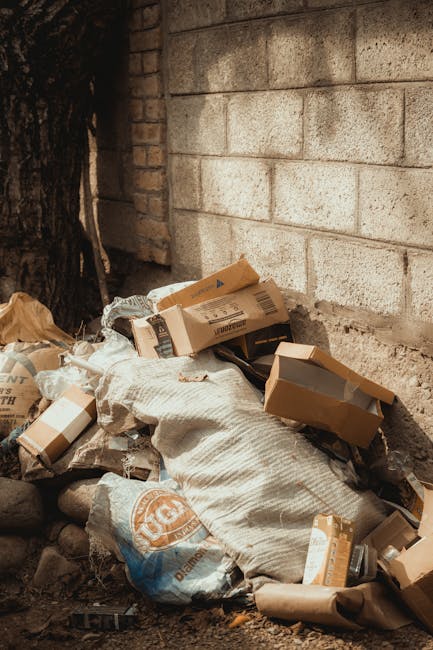
It also matters because rubbish left on streets or side roads tends to create a domino effect. One pile becomes two. Garden cuttings attract more dumping. Builders' waste can become a safety issue for pedestrians, wheelchairs, or pushchairs. In a busy CR8 neighbourhood, that is exactly the sort of problem nobody wants to inherit.
Key point: effective rubbish removal in Purley is part logistics, part respect for the street, and part getting the right items out safely without making a mess of the area around them.
How Purley rubbish removal for CR8 streets and side roads Works
The process is usually more straightforward than people expect, but the details matter. A good clearance starts with identifying what needs taking away, where it is located, and whether access is straightforward or a bit awkward. If the waste is in a loft, rear garden, basement, or upper-floor flat, that changes the plan.
In many cases, the job begins with a description or photos so the team can estimate the volume and understand the access. That helps avoid over- or under-estimating the vehicle size, number of crew members, and time required. For more structured household removals, pages such as home clearance and house clearance explain the type of items often included.
On arrival, the team will usually assess the route from property to vehicle. That may sound basic, but on a side road it is often the difference between a smooth pickup and a slow, frustrating one. Stairs, gates, uneven paving, shared entrances, and traffic can all affect how the removal is carried out.
Once loaded, the waste is sorted for disposal, reuse, or recycling depending on the material and condition. A sensible provider will not treat everything as the same thing, because it simply is not. Garden waste, furniture, plasterboard, wood, metal, and mixed rubbish all behave differently and should be handled accordingly.
For very specific loads, it can help to use dedicated service pages like garden clearance, furniture clearance, or builders waste clearance rather than trying to bundle everything into one vague category. That makes the quote clearer and the job easier to plan.
Key Benefits and Practical Advantages
Good rubbish removal does more than clear space. It improves day-to-day life in a way you notice straight away. The hallway feels bigger. The garden becomes usable again. The pavement outside stops looking like a temporary storage yard. Small win, but a real one.
- Less disruption: careful planning keeps access open for neighbours, visitors, and deliveries.
- Faster turnaround: a prepared team can clear mixed waste in one visit instead of dragging the job out.
- Better space use: removing clutter makes it easier to decorate, repair, rent, sell, or simply live comfortably.
- Cleaner streetscape: side roads in particular look tidier when waste is taken away promptly.
- Safer handling: bulky, sharp, or heavy items are moved with less risk than trying to do it yourself.
- More predictable outcome: you know what is being taken, where it is going, and who is responsible.
There is also a mental benefit people underestimate. Once clutter is gone, the whole place feels calmer. You hear the echo in the hallway again. You can walk from the kitchen to the back door without sidestepping a stack of old boxes. It sounds minor, but it adds up.
If you want to understand how pricing can vary by load type and access, the site's pricing and quotes information is a sensible place to start.
Who This Is For and When It Makes Sense
This kind of rubbish removal suits a lot of everyday situations. Some are obvious, some less so. Homeowners, tenants, landlords, letting agents, tradespeople, shop owners, and office managers all end up needing a clean sweep from time to time.
It makes sense when:
- you have bulky items that will not fit in a normal car;
- your street or side road has tight parking and you need a careful pickup;
- you are clearing after a renovation, move, tenancy change, or major declutter;
- you have a garage, loft, or shed full of mixed waste;
- you need commercial clearance without disrupting customers or staff;
- you want one organised visit rather than several trips to sort a pile that keeps growing.
For flats and smaller properties with shared access, flat clearance is often the better fit. For workspaces, office clearance is the more relevant route. And if the problem is tucked away in the eaves, loft clearance may save you a very stiff back and a dusty afternoon.
Let's face it, nobody wakes up excited about waste. But if you are at the stage where the clutter is affecting access, storage, or safety, that is usually the moment to act.
Step-by-Step Guidance
If you are arranging rubbish removal in Purley, a little preparation goes a long way. The better the briefing, the smoother the collection. Here is a practical approach that keeps things simple.
- Walk the site first. Check what is actually going, what is staying, and whether there are any awkward access points.
- Separate obvious categories. Put garden waste, furniture, and builders' waste into rough groups if you can. It helps with planning.
- Measure bulky items. A quick tape measure can prevent guesswork, especially for wardrobes, sofas, and shed panels.
- Clear a route. Move loose obstacles out of hallways, porches, or paths where possible.
- Check parking and access. On side roads, this matters more than people expect. A vehicle cannot magic itself into a gap that is not there.
- Ask about sorting and disposal. A good provider should be clear about how waste is handled once removed.
- Confirm the final scope. Make sure both sides are aligned on what will be taken so there is no awkwardness on the day.
One handy habit: take a few photos from different angles before the crew arrives. It is boring admin, yes, but it saves time and helps everyone see the same thing. The kitchen light at 7am is not glamorous, but it tells the truth.
Expert Tips for Better Results
Here are the things that make a real difference in practice, especially on CR8 streets and side roads where access can be the challenge rather than the rubbish itself.
Think about the route, not just the pile
The waste may be in the back garden, but the real issue could be the route through the house and out to the street. Tight corners, hanging baskets, steps, and narrow gates all slow a job down. If the route is awkward, mention it upfront.
Keep mixed waste under control
Mixed loads are normal, but they need more thought. A pile that contains wood, metal, soft furnishings, and garden waste may take longer to sort than a single-material load. If you can split items beforehand, great. If not, just be honest about what is there.
Use the service that matches the waste
If you are clearing an overgrown garden, use a garden-focused service. If you are replacing old desks and filing cabinets, the office route is more efficient. If your waste is mainly broken cabinets, shelves, or sofas, then furniture-specific options may be the cleanest fit. Matching the job to the right service usually makes pricing and handling more straightforward.
Plan around the street, not just your timetable
On some Purley streets, mornings are calmer. On others, school runs or commuter traffic can make a collection awkward. An early slot or a slightly later window may work better. Sometimes the right answer is simply, "let's do it when the road is breathing a bit."
Ask about recycling and reuse
Not every item needs to become landfill waste. Some can be sorted for recycling, some may be reusable, and some clearly cannot be saved. A responsible provider should be able to explain the approach without making grand claims. That matters more than fancy words.
Common Mistakes to Avoid
A lot of rubbish removal problems are predictable. The good news is they are also avoidable.
- Underestimating the volume: what looks like "a small pile" often turns into a much bigger job once it is gathered properly.
- Not checking access: side roads can be tight, especially where parking is shared or staggered.
- Leaving everything mixed together: it is fine to be disorganised as a human being, but not ideal for a clearance schedule.
- Forgetting fragile surroundings: walls, railings, plants, and painted doors can get damaged if the route is not planned.
- Ignoring hazardous items: some waste needs special handling and should not be treated as ordinary rubbish.
- Assuming all providers operate the same way: they do not. Ask how waste is sorted, loaded, and handled.
One more thing: do not leave the final sort until the crew arrives unless you really have to. It usually makes the day feel rushed and slightly chaotic, and nobody enjoys that energy before lunch.
Tools, Resources and Recommendations
You do not need a shed full of equipment to prepare for rubbish removal, but a few simple tools help.
- Gloves: useful for moving light items and avoiding splinters or grime.
- Measuring tape: essential for bulky furniture, garden waste bundles, and access gaps.
- Phone camera: photos help with quoting and planning.
- Marker pens or labels: useful if you are separating what stays from what goes.
- Dust sheets or old blankets: handy for protecting floors or narrow hallways during movement.
- Rubbish bags or stackable containers: help keep loose items under control before collection.
As for resources, the most useful ones are often the service pages that match your job type. For example, garage clearance is ideal if the issue is a packed-out storage space, while furniture disposal is the better fit when the main challenge is bulky household items that have reached the end of their life.
If you are deciding between services, it can also help to read about us to understand the approach and insurance and safety for peace of mind before booking.
Law, Compliance, Standards, or Best Practice
Rubbish removal is practical work, but it is not law-free just because the mess is annoying. In the UK, waste must be handled responsibly, and that usually means it should be collected, carried, and disposed of by a provider that follows proper waste management practice. You do not need to become a compliance expert overnight, but you should expect clear answers on what happens to your waste.
Good practice usually includes:
- identifying the type of waste before collection;
- separating reusable, recyclable, and non-recyclable items where possible;
- handling sharp, heavy, or awkward items safely;
- avoiding blockage of pavements, driveways, or neighbouring access;
- being honest about restricted items or special handling needs;
- using sensible loading and lifting methods to reduce injury risk.
For residents on streets and side roads, there is also the day-to-day neighbourly standard: don't leave waste spilling onto the pavement, don't make access impossible, and don't assume someone else will sort the mess out. It sounds obvious, but it is amazing how often that line gets crossed.
If you want a clearer picture of a provider's working approach, health and safety policy and complaints procedure are useful trust signals to review.
Options, Methods, or Comparison Table
Different rubbish removal approaches suit different jobs. Here is a simple comparison to help you choose more confidently.
| Method | Best for | Strengths | Watch-outs |
|---|---|---|---|
| Full rubbish removal service | Mixed household, garden, or bulky waste | Fast, flexible, one visit can clear a lot | Needs clear access and a good description of the load |
| Furniture-focused clearance | Sofas, wardrobes, tables, and other large items | Efficient for bulky objects and awkward lifts | May not be ideal if the load is mostly general waste |
| Garden clearance | Cuttings, branches, soil, hedge trimmings, old planters | Good for seasonal tidy-ups and outdoor spaces | Heavy soil or wet green waste can affect load size |
| Builders' waste clearance | Bricks, rubble, timber, plasterboard, renovation debris | Useful after refits, repairs, or small construction jobs | Mixed heavy waste may need more careful sorting |
| DIY self-clearance | Small volumes and a flexible schedule | Useful if you have time and a suitable vehicle | Multiple trips, lifting strain, disposal logistics, parking issues |
For many people in Purley, the decision comes down to time versus effort. If the street is awkward and the load is more than a quick car boot full, a professional collection is usually the calmer option.
Case Study or Real-World Example
Here is a realistic scenario. A family on a narrow CR8 side road had a mix of old bedroom furniture, broken shelving, and garden waste stacked in the rear passage after a long-delayed clear-out. The problem was not just volume. It was access. The rear gate was tight, the front street had parked cars on both sides, and the hallway was already narrow.
The sensible approach was to sort items into rough groups first, remove the lightweight garden waste before the bulkier furniture, and time the visit for a quieter window on the street. That reduced back-and-forth through the house and kept the pavement clear. The whole job became much easier once the access route was treated as part of the plan, not an afterthought.
Nothing dramatic happened, which is the point. No crushed plant pots, no blocked drive, no awkward apologies to neighbours. Just a tidy result and a family that could finally use the back room again. Sometimes boring is brilliant.
Practical Checklist
Use this checklist before your collection day. It keeps the job neat and reduces surprises.
- Confirm exactly what is being removed.
- Check whether the waste is in the house, garden, loft, garage, or on the street edge.
- Measure bulky items and note any tight doorways or gates.
- Move valuable, fragile, or personal items out of the way.
- Keep a route clear from the waste to the loading point.
- Think about parking space and side-road access.
- Separate anything that may need special handling.
- Take a few photos if the load is mixed or difficult to describe.
- Review the provider's service pages if the job is specialised.
- Make sure someone is available to answer questions on the day.
Expert summary: the best rubbish removal jobs in Purley are the ones that feel almost effortless because the access, scope, and timing were thought through in advance. That is the sweet spot. Not flashy, just efficient.
Get a free quote today and see how much you can save.
Conclusion
Purley rubbish removal for CR8 streets and side roads works best when it is planned with the street in mind, not just the pile of waste itself. Narrow access, parking pressure, neighbour considerations, and the mix of materials all shape the job. Get those details right and the whole process becomes simpler, faster, and less stressful.
If you are clearing a home, garage, loft, garden, flat, or workspace, the smartest next step is to match the service to the waste and confirm the access details early. That small bit of preparation saves time and usually saves nerves too. And honestly, there is something deeply satisfying about seeing a cluttered space become usable again, especially on a grey afternoon when the road outside finally feels calm.
For more on the company's approach and values, take a look at about us and recycling and sustainability. Clean space is good. Clear thinking tends to follow.
Frequently Asked Questions
What does Purley rubbish removal for CR8 streets and side roads usually include?
It usually covers the collection and disposal of household rubbish, bulky items, garden waste, furniture, and mixed clearance loads from homes, flats, or small businesses. The exact scope depends on what you need removing and how easy it is to access.
Is side-road access a problem for rubbish removal in Purley?
It can be, but it is usually manageable with the right planning. Narrow parking, tight turns, and shared access are common in residential streets, so it helps to give a clear description before the visit.
How do I know whether I need waste removal or a more specific clearance service?
If the job is a mixed load, waste removal may be the simplest option. If it is mainly furniture, garden waste, builders' rubble, or loft clutter, a more specific service is usually a better fit.
Can rubbish be removed from a flat or upper-floor property?
Yes, in many cases. Flat clearances are common, but the access route matters. Stairs, shared hallways, and limited parking should be explained early so the team can plan properly.
What should I do before the collection day?
Separate what is going, measure any bulky items, clear a path, and make sure access is as open as possible. A few photos can also help if the load is awkward to describe.
Will everything be taken in one visit?
Often yes, if the load has been described accurately and access is reasonable. Very large, mixed, or difficult clearances may need a more tailored plan, but one-visit removals are common.
What happens to the rubbish after it is collected?
That depends on the material. A responsible provider should sort items where possible and handle disposal or recycling in line with normal UK waste practice. Reusable items may also be separated from general waste.
Do I need to be home during the collection?
Not always, but someone usually needs to confirm access and answer any questions. For properties with shared entrances, locked gates, or multiple items to check, being available is helpful.
How can I reduce the cost of rubbish removal?
Clear access, accurate descriptions, and separating obvious item types can all help keep the job efficient. The less guesswork involved, the easier it is to quote fairly.
Is it worth using a professional service instead of doing it myself?
For small, simple loads, maybe not. But if you are dealing with bulky items, awkward stairs, mixed waste, or a tight side road, professional removal usually saves time, effort, and a fair bit of stress.
Can I book rubbish removal for a garage, loft, or garden specifically?
Yes. Those are common clearance types, and using a targeted service such as garage clearance, loft clearance, or garden clearance often makes the whole process more efficient.
Where can I learn more about booking and payment?
You can review payment and security and contact us for the next step. If you prefer to understand the company first, about us is a good place to start.