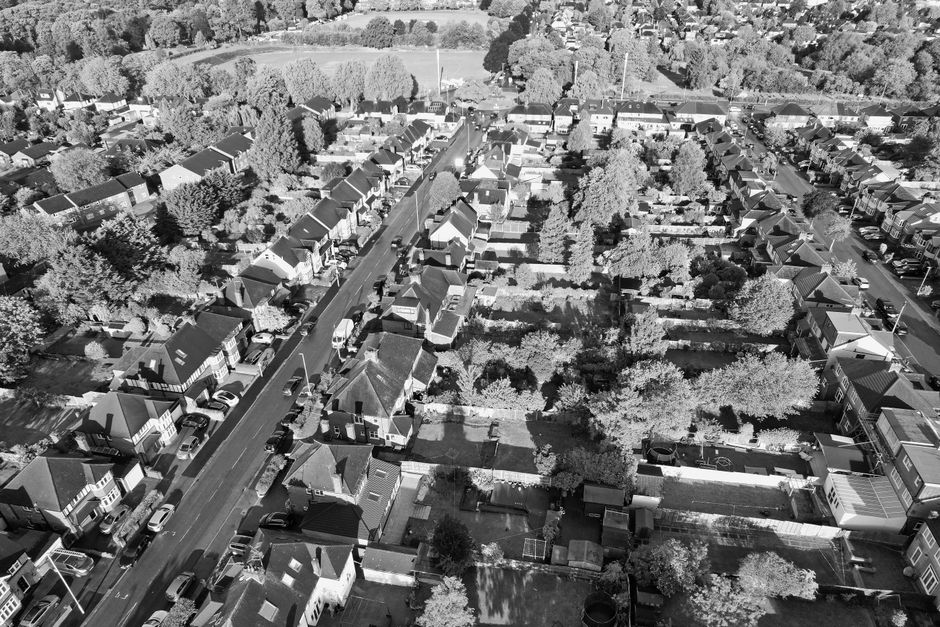
Purley Oaks estate rubbish clearance for tight access homes
If you live in one of the tighter homes around Purley Oaks estate, you already know the problem: rubbish never seems to be in a convenient place. It ends up in a narrow side return, a small front path, a shared hallway, or a back garden with barely enough room to turn around. That is where Purley Oaks estate rubbish clearance for tight access homes becomes a very different job from ordinary waste removal. It needs planning, the right carrying method, and a team that understands awkward access without making a mess of the place.
This guide walks through how tight-access clearance works, why it matters, what to watch out for, and how to decide whether you need a one-off rubbish collection or a broader clearance service. We will also cover practical steps, compliance points, and a few real-world habits that make the whole thing less stressful. To be fair, with the right approach, even a cramped job can feel surprisingly straightforward.
Table of Contents
- Why Purley Oaks estate rubbish clearance for tight access homes Matters
- How Purley Oaks estate rubbish clearance for tight access homes Works
- Key Benefits and Practical Advantages
- Who This Is For and When It Makes Sense
- Step-by-Step Guidance
- Expert Tips for Better Results
- Common Mistakes to Avoid
- Tools, Resources and Recommendations
- Law, Compliance, Standards, or Best Practice
- Options, Methods, or Comparison Table
- Case Study or Real-World Example
- Practical Checklist
- Conclusion
- Frequently Asked Questions
Why Purley Oaks estate rubbish clearance for tight access homes Matters
Tight access changes everything. A clearance job that looks simple on paper can become awkward fast when the path is narrow, the gate is awkwardly placed, the lift is tiny, or the only vehicle space is a short way down the road. In estates like Purley Oaks, that kind of layout is not unusual. You may have a terrace, maisonette, flat, or older home with limited room for moving bulky items. And once rubbish starts stacking up, it can start to feel like the space itself is shrinking.
That is why this kind of service matters. It is not just about "taking stuff away". It is about moving items safely through a restricted route without damaging walls, railings, flooring, doors, or neighbour property. It is also about keeping the process calm. No one wants a sofa wedged in a hallway while two people guess whether it will pivot round the bend. We have all seen jobs that went from five minutes to forty because nobody checked the angle first.
For residents, the main issues are usually practical:
- restricted access to the front or rear of the property
- shared entrances, stairwells, or walkways
- parked cars and limited loading space
- heavy or awkward items that cannot be lifted safely by one person
- the need to keep noise, disruption, and mess down
There is also a trust side to it. When access is difficult, you need clear communication before the team arrives. A good clearance plan avoids rushed decisions on the day. That alone can save a lot of stress, especially if you are juggling work, children, or a move-out deadline.
And honestly, tight-access rubbish clearance is where experience shows. A crew that understands how to assess a route properly will usually work faster, safer, and with less drama. Which, let's face it, is exactly what most people want.
How Purley Oaks estate rubbish clearance for tight access homes Works
The process is usually simpler than people expect, but only if it is handled in the right order. Clearance teams dealing with restricted access will normally begin with a quick assessment of what needs removing, where it is located, and how it can be carried out safely. That assessment may happen over the phone, by photos, or on site.
A typical job might involve a few careful stages:
- Initial review. The team checks the type of waste, item sizes, access points, and whether any lifting or dismantling is needed.
- Route planning. They work out the best line from the room to the vehicle, including corners, steps, low ceilings, and shared areas.
- Protection and preparation. If needed, they protect floors or walls and clear the immediate route so items can be moved without snagging.
- Careful removal. Items are moved with the right number of people and, where useful, with tools that make lifting safer.
- Sorting and loading. Waste is separated where practical for reuse, recycling, or disposal.
- Final sweep. The area is tidied so you are not left with a trail of dust, splinters, or packaging.
In tight-access homes, the small details matter. A wardrobe that is technically light can still be awkward if it has to be turned at the top of a staircase. A broken bed frame can be easier if it is taken apart first. A pile of mixed waste is often best sorted into manageable sections instead of being bundled into one impossible lift. Little decisions like that are what keep a job moving.
If you are comparing clearance providers, it is sensible to ask how they deal with restricted entrances, narrow staircases, or shared access. A team with real experience will not sound flustered by the question. They will probably ask a few sensible ones back. That is a good sign, actually.
Key Benefits and Practical Advantages
The main advantage of a professional clearance service in a tight-access estate is not speed alone. It is control. When the route is difficult, control is what stops small problems becoming expensive ones.
Here are the practical benefits that matter most:
- Less damage risk: careful handling reduces scuffed paint, chipped plaster, broken fittings, and scratched floors.
- Safer lifting: awkward items are moved by people who know how to share weight and manage balance.
- Better use of space: a methodical team can move items out without blocking the entire entrance or landing.
- Reduced disruption: neighbours, children, and shared corridors are less affected when the job is planned properly.
- Cleaner finish: waste is removed in one go rather than left in bags or piles for later.
- More predictable timing: when the access route is understood, the job is far easier to schedule honestly.
There is a second-order benefit too: you often make better decisions about what to keep. Once the items are grouped and measured, people tend to realise that a few things are not worth the effort of moving. That old filing cabinet in the corner? Maybe it has had its day. A broken tumble of garden rubbish by the back fence? Probably time to let it go. Strange how clutter looks smaller until someone has to carry it, then it suddenly develops opinions.
For larger clearances, you may also want to explore related services such as house clearance, flat clearance, or home clearance if the job extends beyond one or two bulky items. That can be useful when the access problem sits alongside a full property clear-out.
Who This Is For and When It Makes Sense
This type of clearance is not only for people with a big pile of rubbish. It is for anyone whose property layout makes ordinary removal inconvenient or unsafe. In Purley Oaks, that might include flats with stair access, maisonettes with tight hallways, older houses with narrow side paths, or homes where parking is a bit of a puzzle.
It makes sense when:
- you cannot get a standard van right up to the property
- items are too large to carry comfortably on your own
- you need several loads cleared in one visit
- the waste includes mixed items, not just black bags
- you want the work done without causing friction with neighbours
- you are preparing a property for sale, letting, or renovation
It can also be the right call after a build or DIY project. If plasterboard offcuts, timber, packaging, or old fittings are cluttering up a narrow passage, a structured clearance is usually simpler than trying to manage it a bag at a time. In those cases, builders waste clearance may be a better fit, especially if the material is mostly construction-related.
For landlords and local businesses, the same logic applies. A property can look manageable until waste starts blocking an entrance or service corridor. If that sounds familiar, business waste removal or office clearance may be more suitable depending on the setting.
Step-by-Step Guidance
If you want the smoothest possible experience, a little preparation goes a long way. Here is a practical way to organise a tight-access clearance without overcomplicating it.
- Walk the route first. Look at the exact path from the item to the exit. Check gates, steps, turns, door widths, and anything that could snag.
- Group the waste. Put similar items together if you can: furniture, bags, garden waste, broken fittings, or mixed household rubbish.
- Separate anything hazardous. Paints, chemicals, sharps, gas canisters, and electrical items may need special handling. Do not leave them mixed in with general waste.
- Measure the largest pieces. A quick tape measure can save a lot of guesswork, especially for wardrobes, mattresses, or wardrobes that were "only just got in there" years ago.
- Clear the access path. Move shoes, planters, bikes, bins, and loose objects out of the way. It sounds obvious, but people forget this all the time.
- Confirm parking or loading details. If the vehicle cannot stop right outside, the team needs to know in advance.
- Decide what stays and what goes. Keep valuables, paperwork, medications, chargers, and keys separate before the team begins.
- Ask about disposal routes. If recycling and reuse matter to you, ask how the waste will be sorted after collection.
A simple before-and-after check helps too. Take a quick look at stairs, skirting, and corners once the job is done. It is the kind of tiny thing people appreciate later when they realise nothing got scuffed. Small win, but a good one.
Expert Tips for Better Results
There are a few habits that make restricted-access clearances much easier. None of them are complicated. Most are just the sort of practical common sense people wish they had thought of sooner.
- Send photos if you can. A few clear pictures of the waste and the access route can help a team plan accurately before arriving.
- Think in terms of lifting, not volume. A small pile of dense items can be harder than a larger pile of light bags.
- Keep the route dry and lit. Wet steps, dim hallways, and poor visibility make awkward access even more awkward.
- Schedule for a quiet window. Mid-morning or early afternoon often feels less rushed than the school-run chaos or the end-of-day scramble.
- Ask what can be dismantled. Sometimes removing legs, doors, or drawers makes a clearance dramatically easier.
- Be honest about the job size. Understating the amount of rubbish usually causes delays. Better to over-explain than under-explain.
If you are dealing with furniture, it may be worth looking at furniture clearance or, where disposal is the main concern, furniture disposal. Those services can be particularly helpful when one bulky item is actually the thing making the whole route feel impossible.
Expert summary: The best tight-access clearances are rarely the fastest-looking ones at the start. They are the ones where someone pauses, checks the route, and chooses the calmer option. A minute spent planning can save a lot of awkward shuffling later.
Common Mistakes to Avoid
Most clearance problems are preventable. Usually they come from people assuming a job is easier than it looks. That is understandable, but in a narrow property layout, assumptions can be expensive.
- Not checking access measurements. A sofa or appliance can get stuck if you do not measure the narrowest point.
- Leaving too much clutter in the route. One or two obstacles can slow the whole job down.
- Mixing waste types together. General rubbish, garden waste, and building waste may need to be handled differently.
- Forgetting about stairs and corners. Straight-line distance is not the issue. The turn is usually the problem.
- Using the wrong service. A garage full of old tools is not the same as a loft full of mixed household items.
- Choosing purely on price. The cheapest option can become the most expensive if it causes damage or delays.
There is also a more subtle mistake: leaving the decision too late. If you are about to hand back keys, start a refurb, or host family in a cramped property, you really do not want rubbish clearance to be the thing that runs out the clock.
And a quick but important note: never assume all waste can be left together for collection. Items like fridges, paint tins, batteries, and certain electrical goods can require separate handling. Better safe than sorry.
Tools, Resources and Recommendations
You do not need specialist equipment to prepare for a tight-access rubbish clearance, but a few simple tools can help the day go more smoothly.
- Tape measure: useful for doorways, gates, hallway widths, and furniture dimensions.
- Phone camera: ideal for sharing access photos and showing awkward corners.
- Strong gloves: helpful if you are sorting small items before collection.
- Labels or marker pens: handy if you want to mark what stays, what goes, and what needs special handling.
- Bins or sacks: useful for loose rubbish, packaging, and small mixed items.
- Basic torch or light source: especially useful in lofts, sheds, and darker side passages.
On the service side, it can be worth comparing options depending on what exactly is being removed. A mixed household clear-out may sit better under waste removal, while a cluttered upstairs room might be closer to loft clearance. If the whole property needs attention, house clearance is often the broadest route.
For environmentally minded customers, it is also sensible to ask about recycling and sustainability. A well-run clearance should separate reusable and recyclable material where practical instead of sending everything to the same place. That is just common sense really.
Law, Compliance, Standards, or Best Practice
Any rubbish clearance should be handled responsibly. In the UK, that means using proper waste transfer practices, keeping loads secure, and making sure waste goes to legitimate disposal or recycling channels. You do not need to memorise the legal fine print, but it is wise to work with a provider that treats compliance seriously.
For homeowners and landlords, the main practical point is simple: do not hand waste to someone who cannot explain where it goes or how it is managed. If a job involves mixed waste, bulky furniture, or items with special handling needs, the process should be clear enough that you feel comfortable asking questions. If the answers are vague, that is a red flag. Not always, but often enough.
Health and safety matters too, especially in tight-access homes where lifting angles are awkward and trip hazards are easy to miss. A professional approach should include:
- careful manual handling
- clear communication about access risks
- appropriate loading methods
- respect for shared spaces and neighbours
- safe management of sharp, heavy, or dirty waste
If you want a clearer sense of the standards a provider follows, it is worth reviewing pages such as health and safety policy, insurance and safety, and terms and conditions. Those are not thrilling reads, admittedly, but they do tell you a lot about how seriously a company treats the job.
For business users, the same professionalism should apply to business waste removal and more regulated settings like an office or shared commercial space. In practice, the standards are about reliability, accountability, and not making the property worse than it was.
Options, Methods, or Comparison Table
When access is tight, there are usually a few ways to tackle the job. The right option depends on how much waste there is, what the items are, and how difficult the route will be on the day.
| Method | Best for | Pros | Watch outs |
|---|---|---|---|
| DIY removal | Very small loads, light bags, simple access | Lower immediate cost, flexible timing | Hard work, injury risk, parking and vehicle limitations |
| Man-and-van style clearance | Mixed household waste, a few bulky items, tighter homes | Quick, adaptable, usually better for awkward access | Needs clear communication about what is being removed |
| Full property clearance | End-of-tenancy, probate, downsizing, major declutter | Covers a lot in one visit, less stress overall | Requires more planning and usually more time on site |
| Specialist waste removal | Construction debris, heavy rubbish, mixed waste streams | Better handling for specific waste types | May need clearer sorting in advance |
For many Purley Oaks homes, the middle option is the sweet spot. It is flexible enough for narrow entrances and small driveways, but still practical when the rubbish is too much for a quick DIY run. If you are comparing jobs, pricing and quotes can help you judge whether the scope is small, medium, or more involved.
Case Study or Real-World Example
Picture a small terraced home with a narrow side return and a back gate that only opens halfway because of a planter and an old bin. The homeowner has a broken chest of drawers, two bagged loads of mixed rubbish, a small wardrobe, and some leftover packaging from a recent room refresh. None of it is huge. Individually, it is all manageable. Together, it becomes a bit of a headache.
On the day, the sensible approach is simple. First, the route is checked. The gate is opened fully after the planter is moved. The hallway is cleared of shoes and a bike. The wardrobe doors are removed to reduce bulk. The drawers are taken out so the frame is lighter. The team moves the items in the best order for the route, not the order they were noticed. That last part matters more than people think.
The result is tidy, quick, and much less stressful than trying to drag everything out in one go. No one is standing at the doorway saying "it'll be fine" while a cabinet gets caught on the corner. Happily, it often is fine when the job is planned properly.
This is the main lesson from tight-access clearance: the property layout decides the method. Not the other way around.
Practical Checklist
Use this checklist before your clearance appointment. It keeps the job organised and helps avoid those annoying last-minute surprises.
- Have I measured the narrowest doors, gates, stairs, or corners?
- Have I taken photos of the access route and the items to be removed?
- Have I separated anything hazardous or sensitive?
- Have I told the team about parking or loading restrictions?
- Have I cleared the path of loose obstacles?
- Have I grouped items by type or room?
- Have I identified anything I want to keep nearby and clearly separate?
- Have I checked whether bulky furniture needs dismantling?
- Do I know what time window works best for the household or neighbours?
- Am I clear on what the provider will do with reusable, recyclable, or general waste?
If you can tick most of those off, the day should feel much more manageable. It does not need to be perfect. Just organised enough to keep everyone moving.
Get a free quote today and see how much you can save.
Conclusion
Purley Oaks estate rubbish clearance for tight access homes is really about matching the job to the property. When access is narrow, shared, or awkward, the best clearance is the one that is planned properly, handled carefully, and completed without leaving a trail of stress behind it. That is true whether you are clearing one bulky sofa, a garden pile, or a full room of mixed items.
The key is to think ahead, measure the route, choose the right type of clearance, and work with people who understand the realities of tight spaces. That may sound basic, but it is usually the difference between a smooth visit and a day full of sighing, shuffling, and "can we just turn it a bit more?"
Handled well, even an awkward clearance becomes a relief. Space returns. The path opens up. And suddenly the place feels like yours again.
Frequently Asked Questions
What makes rubbish clearance on Purley Oaks estate different from a normal collection?
The main difference is access. Narrow paths, shared entrances, stairs, and limited parking mean the removal has to be planned more carefully than a standard curbside collection.
Can bulky furniture be removed from tight access homes?
Yes, usually. The item may need dismantling, extra carrying care, or a different route out of the property, but bulky furniture is very often manageable with the right approach.
Do I need to sort the rubbish before the team arrives?
Some sorting helps, but it does not need to be perfect. Grouping items and separating any hazardous material makes the job easier and safer.
What if the van cannot park right outside the property?
That is common in tighter estates. A good clearance provider will plan for a longer carry distance and factor that into the job rather than treating it as a surprise.
Is tight access rubbish clearance more expensive?
It can be, depending on the extra labour, distance to carry items, time required, and how awkward the route is. The fairest way to know is to ask for a clear quote.
Can I include garden waste with household rubbish?
Sometimes yes, but it depends on the service and the type of waste. If the load is mainly outdoor material, garden clearance may be the better match.
What should I do with electrical items or broken appliances?
Let the provider know in advance. Electrical items can need separate handling, and broken appliances are often best identified before collection day so there are no delays.
How can I prepare a flat or maisonette with narrow stairs?
Clear the stairwell, remove trip hazards, measure key turns, and take photos if possible. If the job is mostly upstairs, flat clearance or loft clearance may be more relevant.
What happens if items need to be dismantled first?
That is often part of the process. Removing doors, legs, or drawers can make a bulky item much easier to move through a tight route.
How do I know a waste provider is handling disposal properly?
Look for clear information on safety, insurance, waste handling, and recycling. Pages such as recycling and sustainability and insurance and safety are useful signs that the business takes the process seriously.
Can I book a clearance for an entire house in a tight-access estate?
Yes. Full-property work is common, especially during moves, probate, refurbishments, or major decluttering. In those cases, house clearance or home clearance is usually the right starting point.
What is the smartest first step if I am unsure what service I need?
Start by listing the items, taking a couple of photos, and checking the access route. From there, a provider can usually tell you whether you need waste removal, furniture disposal, or a broader clearance service.
If you are ready to sort out an awkward pile without the hassle, the next move is simple: get the access checked, the job scoped, and the right team booked in. That little bit of planning makes a big difference, and it tends to leave the whole place feeling lighter afterward.