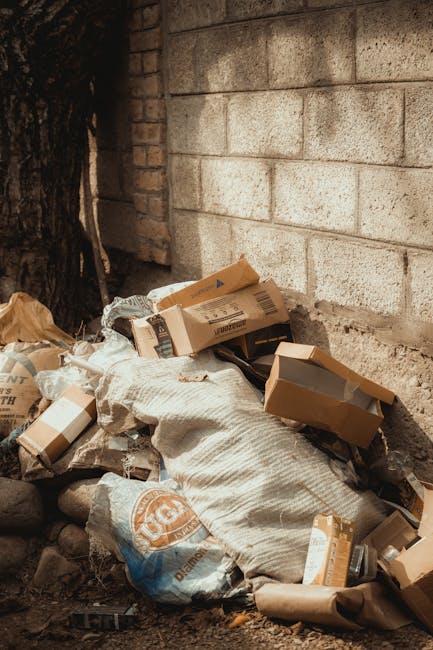
Purley High Street waste removal guide for shops and cafes

If you run a shop, cafe, takeaway, or small hospitality business on Purley High Street, waste has a habit of building up faster than you expect. One busy morning, a few delivery boxes, a broken chair, some packaging, and yesterday's food waste can turn a tidy frontage into a cluttered headache. This Purley High Street waste removal guide for shops and cafes is here to make the whole thing simpler: what needs clearing, how the process usually works, what to watch for, and how to stay on the right side of day-to-day business standards without making life harder than it needs to be.
Whether you need a one-off clearance after a refit or a regular business waste routine that doesn't get in the way of customers, the best approach is usually the one that is quick, predictable, and well organised. Let's walk through it properly.
- Why it matters
- How it works
- Key benefits and practical advantages
- Who this is for
- Step-by-step guidance
- Expert tips for better results
- Common mistakes to avoid
- Tools, resources and recommendations
- Law, compliance, standards, or best practice
- Options and comparison table
- Real-world example
- Practical checklist
- Conclusion
- Frequently asked questions
Why Purley High Street waste removal guide for shops and cafes Matters
For a local business, waste is not just a back-of-house issue. It affects how your shop front looks, how your staff move, how safely deliveries are handled, and even how customers experience your brand before they step inside. On a street like Purley High Street, where footfall and visibility matter, a neat frontage can make a real difference. A pile of broken cardboard by the door or a storage cupboard crammed with obsolete fixtures is the kind of thing people notice, even if they do not say it out loud.
Cafes face a slightly different pressure. Food packaging, milk crates, used cups, spoilage waste, and table-clearance rubbish can accumulate in bursts throughout the day. Shops often end up dealing with display units, packaging, old stock, damaged shelving, and end-of-line items. In both cases, waste needs a process. Not a heroic effort. Just a sensible one.
There is also the practical side. Waste left too long can create odours, pests, slips, blocked walkways, and awkward storage problems. If you have staff trying to move stock through a narrow rear corridor or squeeze bags past customers at closing time, you already know the pain. Truth be told, it is rarely the big jobs that cause the most frustration. It is the little ones that keep getting pushed back.
If your business needs broader support beyond an ad hoc clearance, it may help to look at business waste removal as part of your regular setup, and for larger one-off clearances, waste removal can be a useful starting point.
How Purley High Street waste removal guide for shops and cafes Works
In practice, waste removal for a shop or cafe usually falls into three broad patterns: recurring waste collection, one-off waste clearance, or a mix of both. Each has its place.
Recurring collection suits businesses that produce similar waste every week: cardboard, general refuse, food-related waste, and packaging. The aim is consistency. Containers are emptied, waste is bagged properly, and the business stays workable without daily chaos.
One-off clearance is for the larger moments: a refit, a change of menu layout, closing a branch, replacing furniture, or clearing broken equipment. These jobs often involve mixed waste streams, which means sorting items sensibly rather than just piling everything together.
Mixed support is common too. Many businesses need regular waste handling, but occasionally something bigger crops up. A collapsed storage rack, a set of tired cafe tables, or several damaged display stands can push the normal routine off balance. That is where a responsive clearance plan earns its keep.
Usually the process is straightforward:
- Identify what needs to go and separate it into sensible groups.
- Check access points, timing, and any restrictions around customer flow or deliveries.
- Choose a removal method that suits the volume and type of waste.
- Arrange collection around your opening hours where possible.
- Make sure the waste is handled by someone who understands commercial premises and safe lifting.
If the waste includes unwanted counters, chairs, shelving, or old furniture from a cafe fit-out, furniture disposal and furniture clearance may be relevant. For businesses with office-style back rooms, stock offices, or admin areas, office clearance can also be helpful.
Key Benefits and Practical Advantages
The biggest benefit is time. A business owner on a high street rarely has the luxury of spending half a day shifting rubbish to the back alley. Good waste removal gives you time back, and that alone is worth a lot on a busy trading day.
There is also safety. Cluttered back corridors, stacked cardboard, loose packaging, and broken fixtures are all easy trip hazards. In cafe settings, where staff often move fast with hot drinks or trays, that matters even more. Cleaner working spaces tend to feel calmer too. Less noise, less mess, less of that "where did we put that?" feeling.
Then there is customer perception. People do notice whether a place feels cared for. A tidy doorway, a clear pavement edge, and a clean stockroom all suggest that the business is run properly. Not fancy. Just proper.
Other practical advantages include:
- Better use of storage for stock, cups, packaging, and supplies.
- Fewer pest and odour issues from waste left waiting too long.
- Faster turnaround after refurbishments, deliveries, or seasonal changes.
- Less staff disruption because waste is removed in a planned way.
- Improved presentation for customers, inspectors, and delivery teams.
For businesses wanting a clearer view of options and budgeting, the pricing and quotes page can help frame expectations before you book anything.
Who This Is For and When It Makes Sense
This guide is relevant if you run or manage:
- a cafe, coffee shop, bakery, or dessert bar
- a convenience store, boutique, florist, or specialist retailer
- a takeaway or small food service business
- a shop with limited rear access or storage space
- a business refurbishing, downsizing, or changing layout
- a multi-use premises with both customer-facing and back-office waste
It also makes sense if waste has become a recurring stress point. Maybe your staff are stacking cardboard in a place that blocks a fire exit. Maybe the bin store is awkwardly placed, or the rubbish bags are building up on a Thursday evening because the weekend trade is about to begin. Maybe you have a bit of everything: old menu boards, packaging, damaged stools, and a fridge that is finally past its best. We have all seen those jobs that start small and somehow become a saga.
If your business is partly office-based, partly customer-facing, or if you store items upstairs, you may also find loft clearance useful for upper storage areas, and garage clearance can be relevant where stock is kept in a back unit or ancillary space.
In short, this is for anyone who wants a practical solution rather than a patch-and-pray approach.
Step-by-Step Guidance
If you want the process to stay smooth, the best thing is to think ahead by a day or two. Nothing dramatic. Just a little planning.
- Sort the waste by type. Keep cardboard, general waste, furniture, fixtures, and anything potentially hazardous separate where possible.
- Remove usable items first. If some stock, shelving, or cafe furniture can be reused or repurposed, set it aside before clearance begins.
- Check access. Measure awkward doorways, stairwells, or rear lanes if you have them. A tight turn can slow everything down.
- Identify timing windows. Early morning, late evening, or a quieter trading slot is often best. The point is not to interrupt service.
- Protect floors and entrances. In busy cafes especially, a few sheets of protection can save a lot of cleaning later.
- Confirm what is included. Mixed waste, furniture, and bulky items may be handled differently, so make sure there is no guesswork.
- Set a realistic deadline. If you are clearing before a launch, event, or inspection, build in a small buffer. Life happens.
One useful habit is to create a simple "keep, remove, maybe" pile structure in the back room. It sounds basic, and it is basic, but basic is often what saves time. For larger mixed loads, builders waste clearance may be relevant if your shop or cafe is undergoing refurbishment and the waste includes rubble, plasterboard, timber offcuts, or packaging from works.
And yes, the person who says "we'll sort it later" is usually the one who disappears when the van arrives.
Expert Tips for Better Results
Here is the part that often gets overlooked: the best waste removal jobs are usually the ones that reduce friction, not just the ones that remove rubbish. Small decisions matter.
First, standardise your waste points. If staff know exactly where cardboard, food waste, glass, and mixed rubbish go, mistakes drop quickly. This is especially helpful in cafes where different team members may be clearing tables, receiving stock, or handling takeaway packaging all in the same hour.
Second, keep bulky items visible early. If a broken shelf or old display unit is already identified, do not bury it behind newer waste. That is how things get missed. Put a note on it. A piece of tape can do wonders.
Third, avoid waiting for a crisis. Waste that sits too long becomes awkward. It gets heavier, dirtier, smellier, and harder to move. A small tidy-up done twice a week is often easier than one heroic cleanup after three weeks of "we'll manage".
Fourth, plan for staff movement. During busy trading hours, a clearance route should never block tills, coffee machines, stock shelves, or the door people use to carry things in and out. One narrow passage can quickly become the bottleneck.
Fifth, keep recycling simple. Cardboard, clean packaging, and reusable materials should be separated wherever possible. If the system is too complicated, people stop using it. That is just how it goes.
For businesses that value lower-impact handling and better material recovery, the recycling and sustainability page is worth reviewing alongside your own internal waste habits.
Expert summary: The most efficient shop and cafe clearances are planned around people, not just waste. Protect the route, separate the items, and remove the biggest blockers first. That simple approach saves time and keeps trading disruption low.
Common Mistakes to Avoid
Some waste problems are predictable. The same few mistakes show up again and again, usually at the worst possible time.
- Leaving collections until the last minute. This makes everything feel rushed and increases the chance of missed items.
- Mixing every waste type together. It seems faster in the moment, but it creates sorting problems later.
- Ignoring access constraints. A full van, a narrow doorway, and a busy pavement do not magically solve themselves.
- Forgetting about awkward items. Small fixtures, broken chairs, signage, and under-counter equipment often get left behind.
- Not briefing staff. If nobody knows the plan, waste tends to be moved twice. Sometimes three times.
- Assuming food waste and general waste are interchangeable. They are not, and they should not be treated as if they are.
Another common issue is underestimating the amount of waste produced by a small refit. A couple of new shelves can create a surprising pile of packaging, old fittings, and damaged materials. It looks harmless at first. Then suddenly it is everywhere.
If your clearance involves items no longer suitable for use but still structurally sound, furniture disposal may be a better fit than treating them as general rubbish. That distinction can save time and keep the whole job cleaner.
Tools, Resources and Recommendations
You do not need specialist kit for every situation, but a few practical tools make life easier:
- Heavy-duty sacks and bins for general rubbish and packaging.
- Label tape or marker pens for identifying items to keep or remove.
- Reusable crates for separating stock from waste during a clear-out.
- Floor protection for customer areas and narrow corridors.
- Gloves and basic PPE for staff handling sharp or dusty items.
- A simple checklist for closing-time clearances or pre-opening removals.
There are also a few service pages that may be useful depending on the situation. Business waste removal is helpful for ongoing commercial needs, while office clearance works well for back-office spaces or admin rooms attached to retail premises. If the project is broader than waste alone and involves a full site reset, home clearance or house clearance pages can be useful references for understanding how larger clear-outs are typically approached.
For business owners who want to understand how services are handled, the about us page can help build confidence in how a provider works, and the insurance and safety page is worth a look if you are concerned about safe handling on a live commercial site.
Law, Compliance, Standards, or Best Practice
Commercial waste in the UK needs to be handled carefully, and that is especially true for shops and cafes generating mixed refuse, packaging, and food-related waste. The exact rules that apply can vary depending on the material type and how your business operates, so it is wise to treat compliance as an everyday habit rather than a one-off box to tick.
At a practical level, that means:
- keeping different waste streams separate where possible
- avoiding blocked exits and unsafe storage
- using appropriate containers for food-related waste
- making sure staff understand handling procedures
- keeping records or receipts where your business needs them
Health and safety matters too. Wet floors near wash stations, heavy boxes at shoulder height, and waste bags stacked in narrow service areas can all create avoidable risk. In a cafe, one spill or awkward lift can throw the whole morning off. In a shop, obstructed stockrooms can do the same.
The safest approach is usually a simple one: reduce the amount of handling, keep walkways clear, and make sure the removal process fits your premises instead of forcing your premises to fit the waste. If you want to review related safety standards, the health and safety policy and terms and conditions pages are useful supporting reads.
To be fair, most businesses do not need a lecture here. They just need a workable routine that keeps them safe and operational. That is the real win.
Options, Methods, or Comparison Table
Not every waste problem needs the same solution. Here is a simple comparison to help you decide what makes sense.
| Method | Best for | Advantages | Watch-outs |
|---|---|---|---|
| Regular business waste collection | Ongoing refuse, packaging, cafe waste, and repeat volumes | Predictable, tidy, easy to manage | May not suit bulky or mixed one-off items |
| One-off waste clearance | Refits, deep clears, broken fixtures, stockroom resets | Fast, efficient, handles awkward loads | Needs better planning and access checks |
| Mixed approach | Businesses with regular waste plus occasional bulky items | Flexible and practical | Requires clear communication and scheduling |
In real life, many Purley High Street businesses end up choosing a mixed approach. A cafe might need everyday waste handling but also a quarterly tidy-up of the rear store. A shop may have routine packaging waste, but then suddenly need old display furniture removed after a seasonal reset. That is normal. No need to overcomplicate it.
Case Study or Real-World Example
Picture a small cafe on Purley High Street at the end of a winter refresh. The owner has swapped out a few tired stools, replaced some shelving near the till, and ended up with a mix of cardboard, packaging, and a couple of bulky items that no longer fit the updated layout.
At first, the waste seems manageable. Then the rear corridor starts filling up. Staff are stepping round bags, deliveries are due, and the back room has turned into a bit of a squeeze. Nothing dramatic, just the usual creeping mess that happens when a busy business is trying to keep trading.
The fix is simple but disciplined:
- move stock into a temporary safe zone
- separate reusable items from waste
- take the bulky furniture first
- clear packaging and general rubbish in the same visit
- leave the route open so trading can continue with minimal disruption
By the end of the day, the cafe is calmer. The floor feels clear underfoot, the back room is usable again, and staff are not playing dodge-the-sack every ten minutes. Nothing magical happened. Just a well-timed clearance and a bit of common sense.
That is often the reality of good waste removal: not glamorous, not complicated, but quietly useful. And honestly, that is enough.
Practical Checklist
Use this checklist before arranging shop or cafe waste removal:
- Have I separated general waste, cardboard, furniture, and any special items?
- Are all access routes clear for removal?
- Will the collection time avoid customer peaks or delivery windows?
- Have staff been told what stays and what goes?
- Are any items fragile, sharp, or unusually heavy?
- Do I need help with bulky furniture or fixtures?
- Have I protected floors, walls, and customer-facing areas?
- Do I need evidence of handling, disposal, or service details for records?
- Is the waste storage area safe and not blocking exits?
- Have I reviewed the provider's safety, payment, and quote information?
If you are still in the planning stage, the payment and security page can give extra reassurance around how a service is handled. And if you need to talk through a difficult clearance, it is sensible to get in touch directly through the contact us page.
Conclusion
Waste removal for shops and cafes on Purley High Street works best when it is treated as part of normal business management, not an emergency task. A little structure goes a long way. Separate items early, plan access properly, keep walkways open, and choose a clearance method that fits the real shape of your premises.
The businesses that stay on top of waste usually look calmer, run more safely, and handle busy periods with less friction. That is the quiet advantage. No drama, just fewer headaches and a better space to work in.
Get a free quote today and see how much you can save.
If you want to understand the service provider better before booking, the about us page is a good place to start, and recycling and sustainability can help you think through the longer-term side of waste handling. Sometimes the practical answer is also the cleaner one.
And if the back room is a mess today, that does not mean it has to stay that way tomorrow.
Frequently Asked Questions
What kind of waste do shops and cafes on Purley High Street usually need removed?
Most businesses deal with a mix of cardboard, packaging, general rubbish, food-related waste, broken fixtures, old furniture, and occasional bulky items. Cafes often generate more mixed waste because of takeaway packaging, table clear-downs, and food service waste. Shops usually see more stock packaging, display items, and obsolete shelving.
Is one-off waste removal better than regular collections?
Neither is automatically better. Regular collections suit everyday waste, while one-off removal is better for clear-outs, refurbishments, and bulky items. Many businesses need both. A mixed approach is usually the most practical, especially if trading is busy and storage space is tight.
How do I prepare my shop or cafe before a waste clearance?
Separate items into clear groups, keep access routes open, protect customer areas if needed, and tell staff what should be removed. If there are awkward or heavy items, put them where they can be reached safely. A little prep saves a lot of time on the day.
Can furniture and fixtures be removed at the same time as general waste?
Yes, often they can, but it depends on the type and volume of items. Chairs, tables, shelving, counters, and display units are common in cafe and retail clearances. It is sensible to flag bulky pieces in advance so the right plan is used from the start.
What should I do with cardboard and packaging waste?
Keep it separate where possible, especially if it is clean and recyclable. Cardboard builds up quickly in shops and cafes, particularly after deliveries. Flattening boxes early also helps reduce clutter and makes storage easier. It sounds small, but it really does make a difference.
How can I avoid waste blocking my customers or staff?
Use a temporary holding area away from the main trading route, remove waste during quieter periods, and avoid stacking bags near doors, tills, or service counters. In cafes, this matters even more because staff are often moving fast and carrying hot drinks or food.
Do I need to think about safety when clearing business waste?
Absolutely. Safety matters with heavy lifting, sharp edges, wet floors, and cluttered routes. If a bin store or stockroom is awkward, it is better to slow down and plan the lift properly than rush and create a problem. That one careless move can spoil the rest of the day.
What if my waste includes items from a refurbishment?
Refurbishment waste can include timber, packaging, old fittings, and sometimes heavier materials. A service such as builders waste clearance is often more suitable than standard rubbish handling if the load is mixed and comes from a fit-out or renovation.
How do I know whether I need business waste removal or a clearance service?
If the waste is recurring and predictable, business waste removal is often the better fit. If you are clearing bulky items, old stock, furniture, or a space that has become cluttered, a clearance service is usually more appropriate. Some businesses use both, depending on the week.
Can I arrange waste removal around opening hours?
Often, yes. Many business owners prefer early mornings, evenings, or quieter trading windows. That helps reduce customer disruption and keeps the team focused on service. It is usually worth discussing timing before booking so the job fits your day rather than hijacking it.
What should I ask before choosing a waste removal provider?
Ask what is included, how bulky items are handled, whether mixed waste is accepted, what access is needed, and how pricing is structured. It is also sensible to review safety, payment, and service terms so there are no surprises later. Clear answers at the start save stress at the end.
Is recycling worth building into my waste routine?
Yes, especially for cafes and retail businesses that generate lots of cardboard, packaging, and reusable materials. A simple recycling routine can reduce mess, improve organisation, and make the business feel more controlled. Not perfect, just better. And better is often enough.